

Program Experience
How long will it take to learn if I have been admitted?
Usually within 1–3 weeks from when you submitted your application.
Do you accept international students?
Yes. We have students worldwide. Partnerships exist with Syllabi Consultancy (Central/East Africa), FEU-NRMF (Philippines), GES (Middle East), and IPTA (South Asia) for residents in specific regions.
How long do the post-professional programs take?
Program length depends on your highest therapy degree when you enter and course work.
- Doctor of Physical Therapy (ppDPT): Most students complete in about 12–28 months.
- Doctor of Occupational Therapy (ppOTD): Most students complete in about 20–28 months as well.
Are all courses online?
Yes, all courses in the ppDPT program are online.
Am I required to be on campus at any time?
No. Our programs are fully online, and there is no on-campus requirement. You will, however, be invited to attend the University of Montana commencement ceremony each summer to celebrate your achievement, but attendance is completely optional.
Is class participation required?
Every course has a discussion forum. Some courses have grading requirements tied to forum participation.
Do I need to be on the computer at a certain time?
All courses are self-paced within the semester and follow assignment and exam deadlines.
Can courses be taken out of sequence?
No, courses are taken within your cohort according to the course schedule.
Are exams taken online?
Yes, all exams are available online and must be completed by the posted deadline.
Do courses run on Mac and PC?
Yes, courses run on most interfaces including Mac, PC, and mobile devices.
Is financial aid available?
Costs are kept low through reduced post-graduate credit rates and no accessory fees. Federal financial aid may be available if taking 6+ credits per semester. Additional opportunities may exist through employers, APTA, AOTA, or private scholarships.
Are the programs accredited?
Our transitional Doctor of Physical Therapy (ppDPT) and transitional Doctor of Occupational Therapy (ppOTD) programs are post-professional. Because you are already licensed, these programs do not require CAPTE or ACOTE accreditation. Instead, your degree is awarded by the University of Montana, which is fully accredited by the Northwest Commission on Colleges and Universities (NWCCU). For reference, entry-level DPT and OTD programs at the University of Montana are CAPTE and ACOTE accredited (but transitional or post-professional programs do not fall under those agencies).
Is there a referral program?
Yes, current ppDPT students or alumni can make qualified referrals through the Referral Rewards Program.
How was the ppDPT curriculum established?
Based on APTA Education Division’s “Preferred Curricular Model for the Transitional Clinical Doctoral Program and Learner.”
Enrollment & University Resources
How do I register for a class?
You must be an accepted student with a student ID number to register through Cyberbear. Apply first if you are not accepted.
How do I access the UM Library?
Go to https://www.lib.umt.edu. Use your NetID and password to log in.
When will I receive my diplomas or certificate?
After your final semester is complete and your graduation application has been processed, your degree will be formally conferred and your diploma or certificate mailed to you.
Is there a commencement at the university?
Yes, commencement for the ppDPT and ppOTD is held once a year in May at the University of Montana. Attendance is optional.
How do students get transcripts?
The most convenient way is through the National Student Clearinghouse at www.studentclearinghouse.org. Provide your Student ID or SSN.

At Rehab Essentials, we believe the most meaningful conversations are those that happen with purpose. While we currently have no scheduled webinars or live events,
The final step of our Post Professional Doctor of Physical Therapy program is the capstone project. It may seem daunting at first, but with the

As you approach the pinnacle of your advanced post professional Occupational Therapy (ppOTD) Doctorate curriculum, the Capstone stands ready as the ultimate synthesis of your

For students advancing through the Rehab Essentials Post Professional Doctor of Physical Therapy (ppDPT) or Occupational Therapy (ppOTD) program, the Capstone project represents the definitive
This issue of the Journal of Women’s & Pelvic Health Physical Therapy showcases groundbreaking research across diverse pelvic health populations, with a particular emphasis on
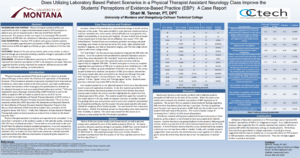
Physical therapist assistants are required by accreditation and licensing agencies to demonstrate competency in evidence-based practice, yet surprisingly, no research exists examining EBP from the
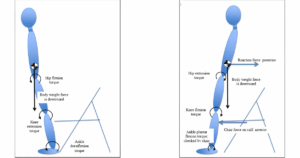
Can a simple rocking exercise performed with just a chair dramatically improve walking ability after knee replacement surgery? This innovative case report explores the “church
Growth spurts can present unique challenges for adolescents with cerebral palsy, often resulting in functional declines that impact their ability to participate in daily activities.

When an 84-year-old man with facioscapulohumeral muscular dystrophy sustained a fall resulting in tibial and fibular fractures, his functional mobility declined sharply and his spouse
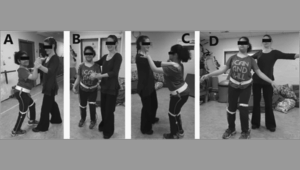
Dance therapy may offer a powerful and engaging alternative to traditional physical therapy for adolescents with cerebral palsy who are at risk for increasingly sedentary
No-shows and late cancellations continue to plague outpatient physical therapy practices, impacting productivity, patient outcomes, and revenue generation. A comprehensive study analyzing 6,162 scheduled appointments

If you’re interested in teaching entry-level students in occupational therapy (OT) programs, the landscape has continued to expand and evolve — and the opportunities remain

One of the biggest goals of earning a ppDPT degree is to acquire the knowledge to advance professional practice. This goal cannot be realized by

The Physical Therapy profession in the United States went through significant changes in the 1990’s. During this time, the profession was fighting for its members

The secret to getting the most out of your advanced degree is making everything you are learning relevant and relatable to you and your specific

s you consider going back to school to earn your post professional Doctor of Occupational Therapy, you may be concerned about maintaining a school, work,
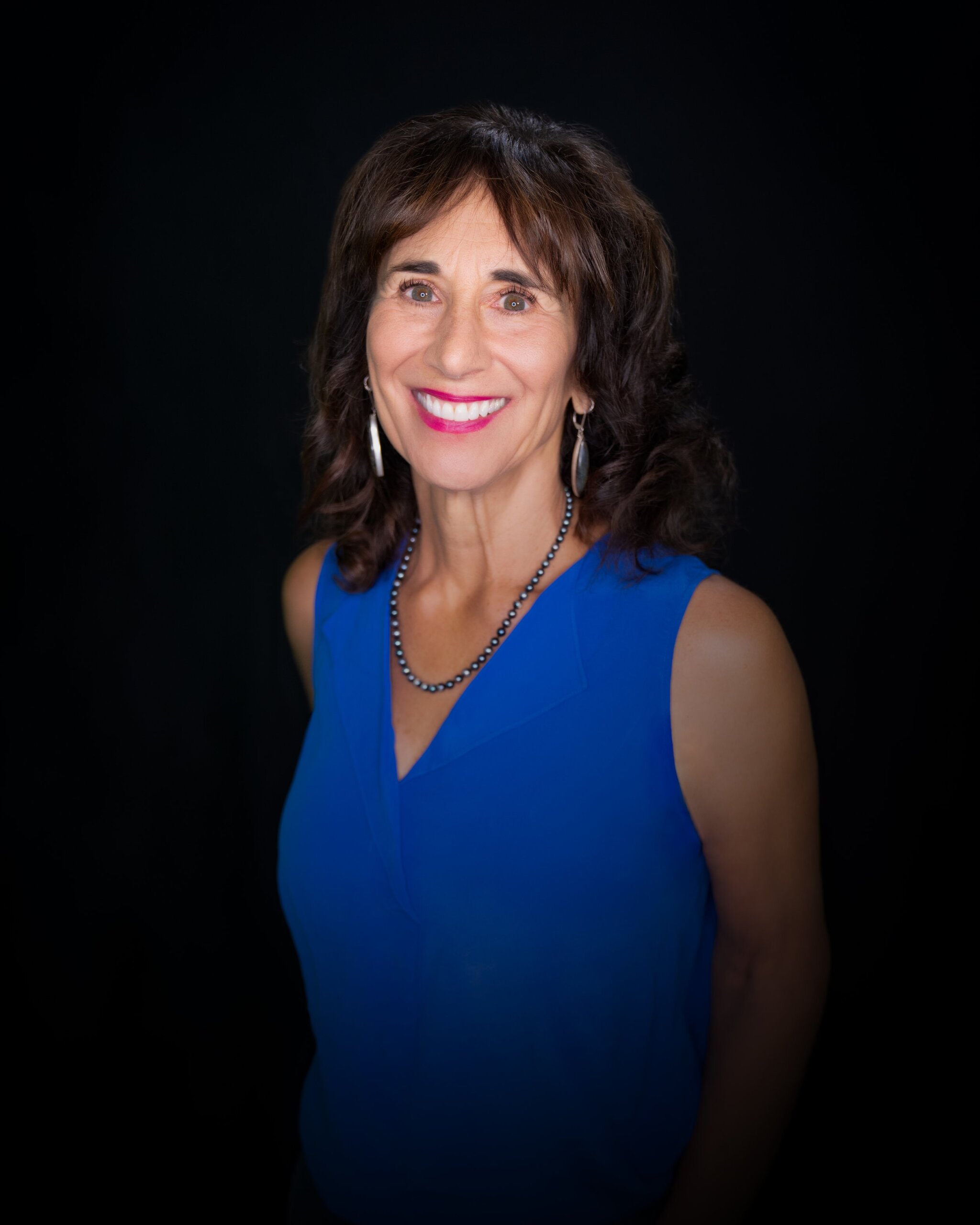
Karen Mueller
Jennifer Gamboa
Eric Stewart
Ellen Wruble Hakim
Lynn McKinnis
Charles Ciccone
Jake Mischke
Janeene Sibla
Joseph McCulloch
Karen Huhn
Laurel Daniels Abbruzzese
Rebecca King
Rebecca Martin
Tapan Kikani
William Boissonnault
Steve Tepper
Robbie Leonard
Timothy Miller
Jason C. Lawson
Adrienne Lauer
Alicia Lutman
Barb Tschoepe
Cheryl Zemina
Cindy Meyer
Courtney Siwek
Elicia Dunn Cruz
Gina Drummond
Cindy Anderson
Jonathan Cooperman
Joshua Manning
Kayleigh Fessenden
Kelly Daley
Kristin Winston
Michael Friedman
Penny Rogers