
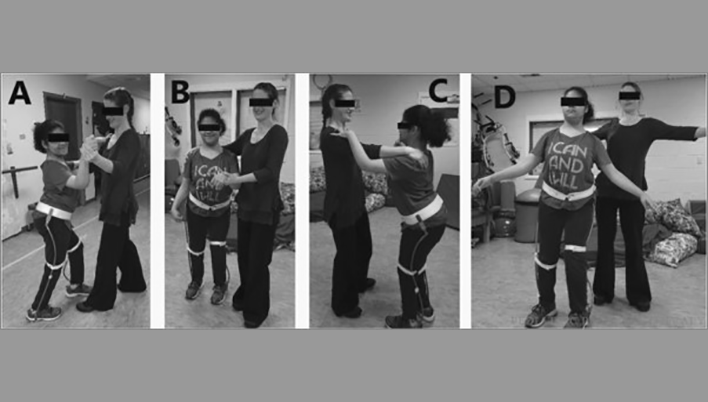
Dance therapy may offer a powerful and engaging alternative to traditional physical therapy for adolescents with cerebral palsy who are at risk for increasingly sedentary lifestyles. This compelling case study examined a 15-year-old girl with cerebral palsy (GMFCS Level II) who participated in twice-weekly Informal Dance Intervention sessions over 32 weeks, incorporating waltzing, contra dancing, square dancing, and belly dancing into her treatment plan. The results were remarkable: the patient demonstrated decreased waist circumference, increased walking speed on standardized tests including the 6-Minute Walk Test and Timed Up and Down Stairs, improved balance confidence on the Activities-specific Balance Confidence Scale, and enhanced vestibular functioning measured by the Functional Gait Assessment. The 60-minute sessions focused on building timing, endurance, core strength, and vestibular function in a motivating, social context that kept the participant engaged throughout the intervention period. For physical therapists working with adolescents with cerebral palsy, this evidence suggests that incorporating dance-based activities into treatment plans may not only improve functional outcomes but also combat the tendency toward sedentary behavior that often emerges during the teenage years.
